Learn How Your Medicare Coverage Moves with You
If you're someone who heads south for the winter or splits your time between two homes in different states, you're what the world often calls a "snowbird." And while your dual-state lifestyle might offer the best of both worlds, it can add some complexity to your Medicare coverage.
That’s why a little extra planning may be needed to make sure your Medicare benefits travel with you. Here's what multi-state dwellers need to know to stay covered, avoid surprises, and make the most of their benefits, from Toledo to Tampa.
The Basics: What Medicare Covers Anywhere in the U.S.
If you have Original Medicare (Parts A and B), you're off to a good start. You can see any doctor or use any hospital that accepts Medicare in the United States with no referral required and no network restrictions. Coverage is consistent across all 50 states and U.S. territories.
It gets trickier if you have other types of Medicare coverage, like a Medicare Advantage plan, a Part D drug plan, or Medicare Supplement Insurance (Medigap).
Medicare Advantage Plans: Check the Network
Medicare Advantage (Part C) plans are offered by private insurers, and most operate within a specific geographic service area. These plans often require you to use doctors and hospitals within their local network for routine care, and some require referrals for specialists. It is important to note that Medicare Advantage plans must cover emergency and urgently needed care while you are outside the plan’s geographic service area.
If you live in one state half the year and another the other half, a plan that works in Florida may not cover your routine care in Michigan, or it may cover it at a much higher out-of-network rate.
Questions to ask:
- Is your Medicare Advantage plan a PPO (which may offer some out-of-network coverage) or an HMO (which usually doesn't)?
- Do both of your locations fall within the plan's service area?
- What happens if you need routine care while living in your second home?
Prescription Drug Plans (Part D): Location Matters
Part D drug plans also have networks, specifically, pharmacy networks. A plan based in New York might not include your favorite neighborhood pharmacy in Arizona.
To avoid disruption in your prescriptions:
- Choose a plan with nationwide pharmacy access, like a major chain or mail-order pharmacy.
- Double-check that your medications are still covered no matter where in the U.S. you are (most drug plans don't cover drugs received outside the U.S. and its territories).
- Review your plan's formulary (drug list) and participating pharmacies yearly during the Medicare Annual Enrollment Period (Oct. 15–Dec. 7) to determine if there is a Part D drug plan better suited to your needs and your dual-state situation.
Medigap Plans: More Flexibility for Travelers
If you've chosen Original Medicare and added a Medicare Supplement Insurance (Medigap) policy, you're in luck. Most Medigap plans allow you to see any Medicare-participating provider in the country, making them an excellent choice for snowbirds.
Just remember:
- Medigap policies are standardized, but sold by private insurers, and prices may vary by state.
- If you make a permanent move to a new state, you may have a guaranteed-issue right to switch to a new Medigap policy without medical underwriting, but this depends on your state and situation. It's worth checking with a licensed agent before you assume you're covered.
Your Primary Residence and Medicare
Even if you live in two states, Medicare requires you to designate a primary residence, typically the address used for taxes, driver's license, and voter registration. This determines your plan eligibility and service area for Medicare Advantage or Part D plans.
If you make a permanent move (not just a seasonal stay), you'll qualify for a Special Enrollment Period to switch plans that better fit your new location.
Staying Connected to Your Care Team: Telehealth
One thing that's made life easier for snowbirds in recent years is the wider availability of telehealth. Many Medicare Advantage plans and providers now offer virtual visits, which means you may be able to check in with your regular doctor even while you're away from home.
Telehealth isn't a substitute for local, in-person care in an emergency, but it can be a helpful bridge for routine checks, follow-ups, medication management, or specialist check-ins while you're at your second home.
Coverage in Emergencies
Medicare will always cover emergency or urgent care in the U.S., regardless of where you are. So if you're visiting your second home and something unexpected happens, you won't be left without coverage.
For Medicare Advantage members, be sure to check your Evidence of Coverage, which describes how Medicare defines emergencies and urgently needed services and how those services must be covered by Medicare Advantage plans.
Quick Tips for Medicare Snowbirds
Here's a quick checklist to help you make the most of Medicare while living in two states:
- Work with a Medicare agent. We can help you compare plans in both states and find the right match.
- Choose flexible coverage. Original Medicare + Medigap offers the most freedom. If you use Medicare Advantage, consider a PPO plan with a wider service area.
- Confirm your drug plan's pharmacy network. Make sure it works in both locations. Before traveling, request extra refills or a vacation supply of your medications, if your plan allows it.
- Keep your legal address up to date. Medicare uses your home address to determine eligibility for plans.
- Explore remote care. Ask your primary doctor if they offer telehealth visits while you're away.
- Understand emergency and urgent care coverage. Know what's covered and what isn't, especially with Medicare Advantage. Save the contact info for urgent care centers near your homes.
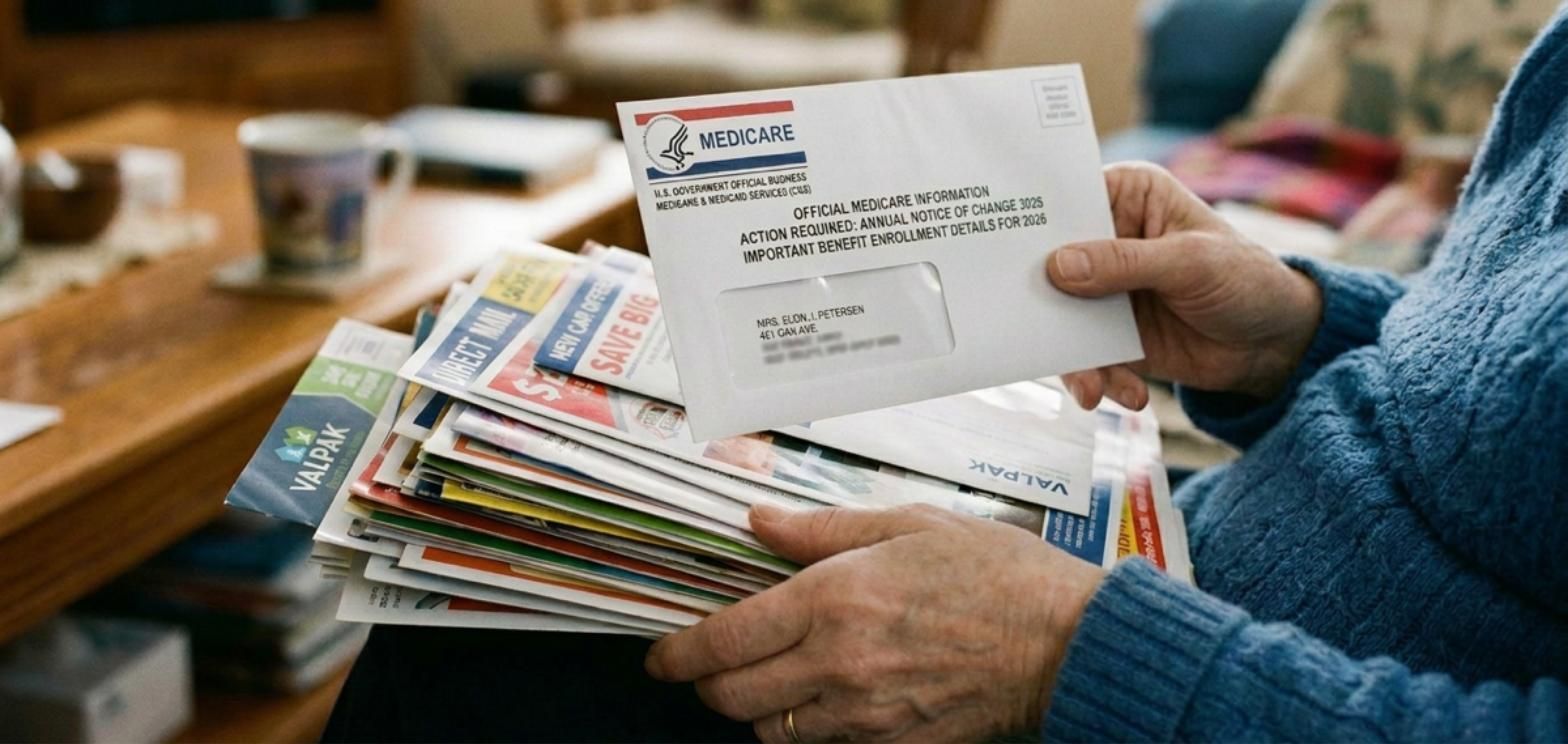
- Review plan notices every fall. Networks and costs can change each year. Don't assume this year’s plan will still fit your lifestyle next year.