As summer temperatures soar across the country, staying safe in the sun and heat is more important than ever. With longer, hotter days becoming the norm—even in places
that were once known for milder summers—more people are finding themselves at risk for serious heat-related illnesses and skin damage from UV exposure. Whether you're spending time gardening, enjoying family cookouts, or simply running errands in the midday sun, the risks of overheating, dehydration, and sunburn are real—and growing. Understanding how to protect yourself isn’t just about comfort; it’s about safeguarding your health. From recognizing the signs of heat exhaustion or heat stroke to practicing smart sun safety habits, a little knowledge can go a long way in helping you and your family enjoy the season while staying healthy.
Understanding Heat-Related Illnesses
When the temperatures climb, your body has to work harder to keep itself cool. Sometimes, especially during prolonged exposure or intense activity in hot weather, your system can get overwhelmed—leading to heat-related illnesses. Two of the most common and serious types are
heat exhaustion and
heat stroke. While they may be easily confused, they’re very different in terms of severity. Knowing how to tell the difference—and how to respond—can make all the difference in protecting yourself and others during hot weather.
Heat Exhaustion
Heat exhaustion is the body’s early warning signal that it’s struggling to cool down. This occurs when the body loses excessive water and salt, usually through sweating.
Symptoms of heat exhaustion include:
- Heavy sweating
- Weakness or fatigue
- Dizziness or fainting
- Nausea or vomiting
- Muscle cramps
- Cool, moist skin
If you suspect someone you know is suffering from heat exhaustion,
here’s what to do:
- Move to a cooler, shaded area.
- Loosen clothing and apply cool, wet cloths.
- Sip water slowly.
- If symptoms worsen or last longer than an hour, seek medical attention.
Heat Stroke
Heat stroke, on the other hand, is a medical emergency where the body’s temperature rises rapidly and can’t regulate itself, potentially leading to organ damage or even death.
Symptoms of heat stroke include:
- High body temperature (104°F or higher)
- Hot, red, dry, or damp skin
- Rapid pulse
- Confusion or unconsciousness
- Headache (CDC guidance)
If you or someone near you is showing these signs,
here’s what to do:
- Call 911 immediately.
- Move the person to a cooler place.
- Use cool cloths or a cool bath to lower body temperature.
- Do not give the person anything to drink.(CDC Guidance)
Sun Safety: Protecting Your Skin and Eyes
According to the
CDC, just a few serious sunburns can increase children's risk of skin cancer later in life. Prolonged sun exposure at any stage of life increases the risk of skin cancer and eye damage. The
Centers for Disease Control and Prevention (CDC) and
Mayo Clinic recommend the following precautions for yourself and your children:
- Use Sunscreen: Apply a broad-spectrum sunscreen with an SPF of at least 30. Reapply every two hours, or more often if swimming or sweating. And be sure to apply liberally!
- Wear Protective Clothing: Opt for lightweight, loose-fitting long-sleeved shirts and pants to stay cool and protected, and don’t forget your hat!
- Seek Shade: Stay under cover, especially during peak sun hours between 10 a.m. and 4 p.m. No shade around? Bring your own by carrying a UV-blocking umbrella!
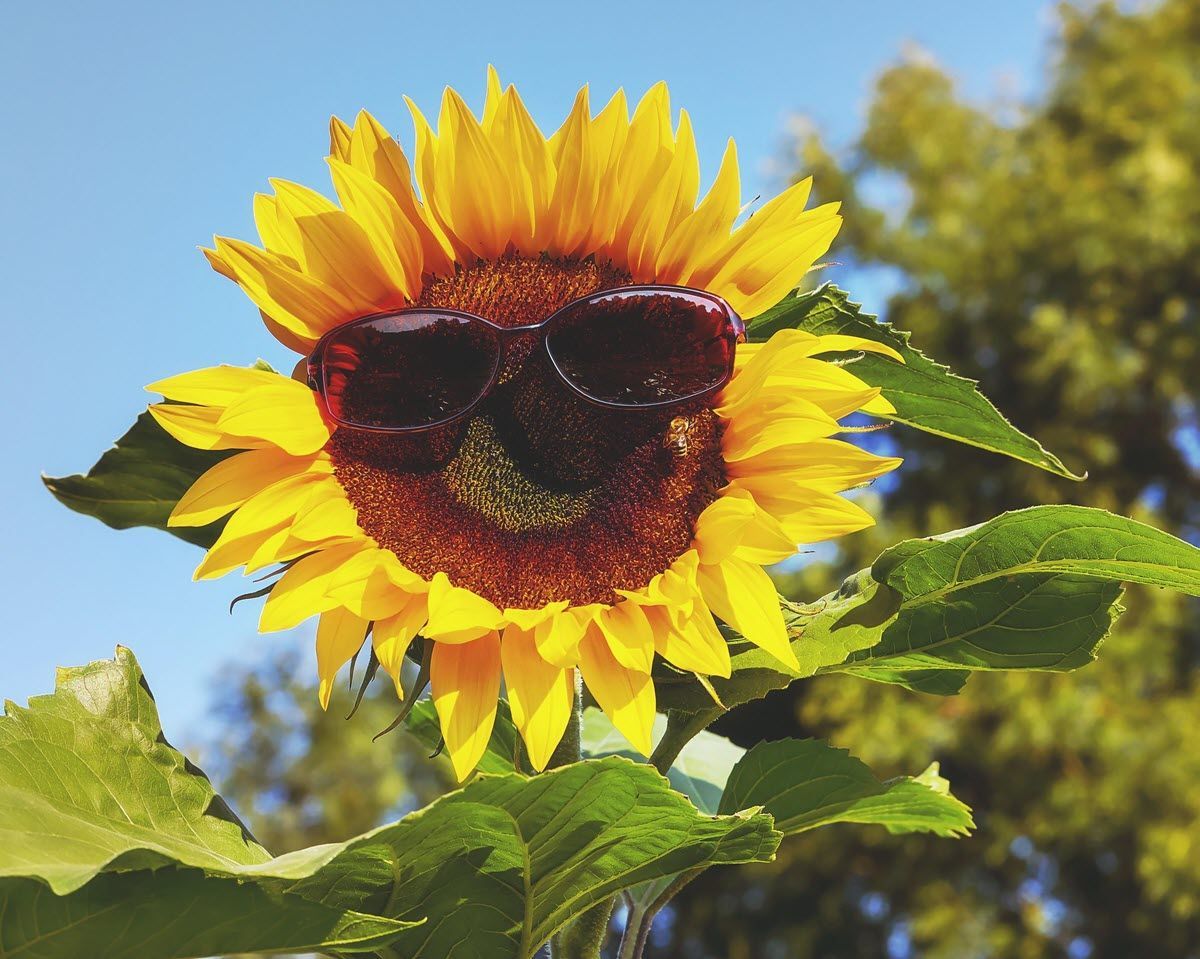
- Wear Sunglasses: Protect your eyes with sunglasses that block UVA and UVB rays. Some cheaper options don’t provide true protection, so look for the UVA/UVB seal before you buy.
- Avoid Tanning Beds: They emit harmful UV rays that increase skin cancer risk.
Tips for Staying Safe in the Summer Heat
Ready to head outside? Before you do, keep these final tips in mind to stay cool, safe, and sun-smart. They’ll help you avoid heat-related illness and sunburn so you can enjoy summer without the health risks.
- Stay Hydrated: Drink plenty of water throughout the day. Avoid alcohol and caffeinated beverages, which can dehydrate you.
- Plan Activities Wisely: Schedule outdoor activities during cooler parts of the day, such as early morning or evening.
- Take Breaks: Rest in shaded or air-conditioned areas to cool down.
- Monitor the UV Index: Check local UV index forecasts to determine the risk level for sun exposure.
- Be Mindful of Medications: Some medications can increase sensitivity to heat and sun. Consult your healthcare provider for guidance.
Enjoying the summer sun is one of life's pleasures, but it's crucial to do so safely. By understanding the signs of heat-related illnesses and practicing sun safety, you can protect yourself and your loved ones from preventable health risks.